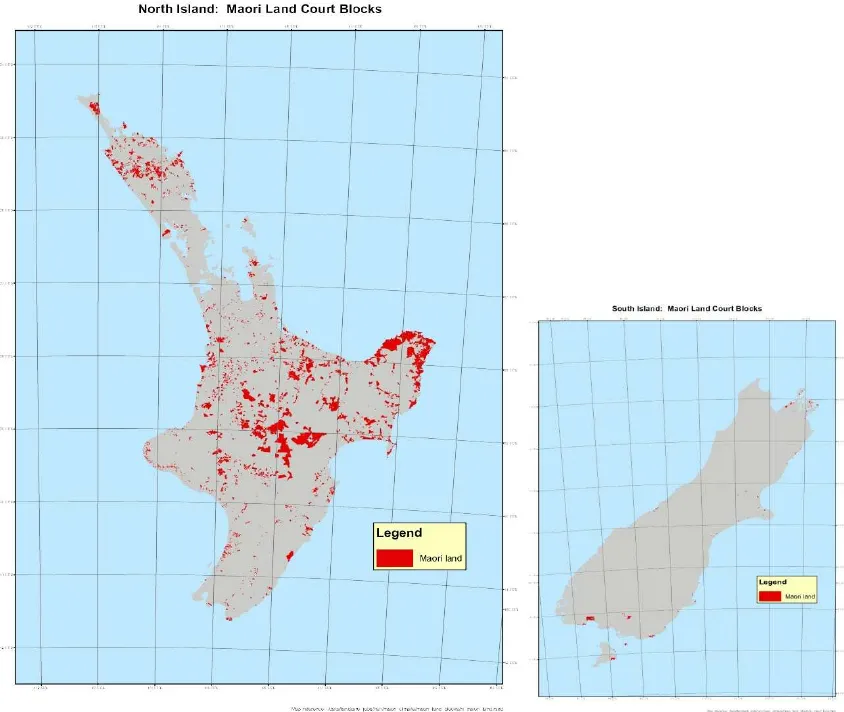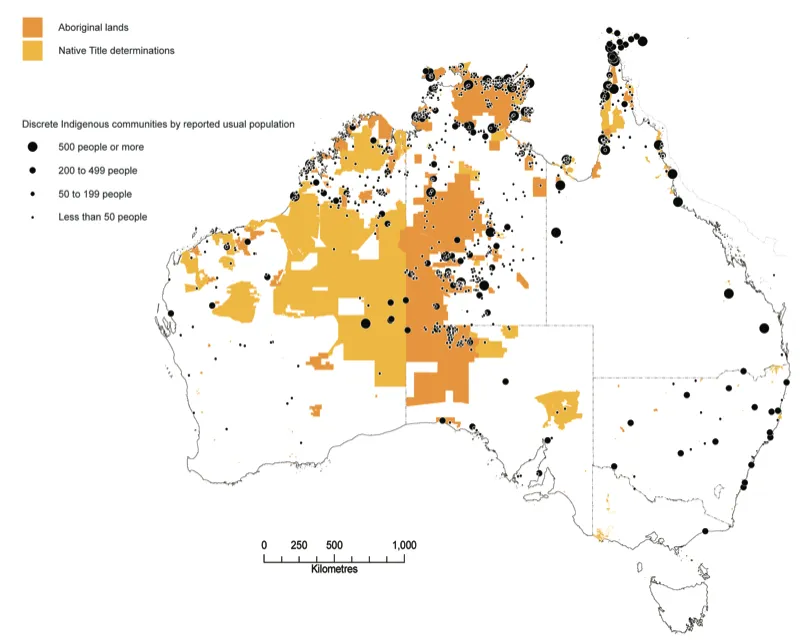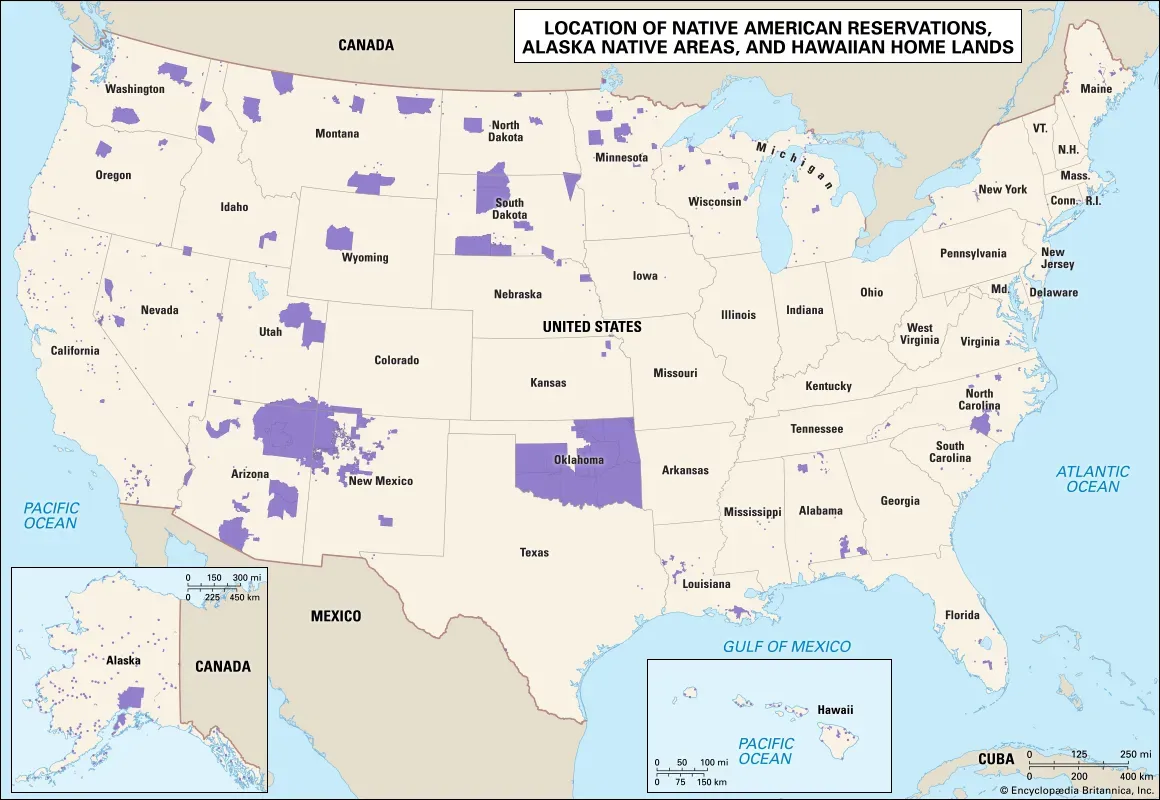
All Western states founded outside of Europe face the same unique dilemma: a set of indigenous populations that resided on the land before Western peoples found nations there. These peoples go by many names. In Canada, they are commonly called First Nations, while in the US one may hear them called both Indian and Native American. In New Zealand, the Maori are cohesive enough to go by a single term, and in Australia, the first inhabitants are called Aboriginals. These were the first peoples of the landmasses and they continue to inhabit them, but they did not build the nations which exist there today.
European pioneers arrived and settled these lands, building unique nations and cultures informed by their European heritage. America, Australia, Canada, New Zealand, and other nations did not exist before the West founded them, they belong to the West. We fight to keep these lands and preserve our nations.
However, today many of the aforementioned indigenous populations fight against the pioneer nations with the backing of numerous corporate, political, and ideological interests. Just this year Canada agreed to pay First Nations families and peoples 17.35 billion US dollars in compensation after a tribunal ruled that the Canadian government had systemically underfunded welfare systems on First Nations Reserves for decades. This money, the tax dollar of Canada’s founding stock, is being transferred to a population that recently engaged in the slanderous lie that Canada was hiding mass graves of First Nations children.
We are in the midst of a political fight for the Western peoples to retain our nations and our demographic majorities within them, but Indigenous populations are not populations that can be repatriated elsewhere and so a different solution is needed: autonomy.